Kaorta® Protocol

Educate Me

Most AFib treatments manage the symptoms. We're focused on something different: addressing what's causing them in the first place.

Educate Me

What's Really Happening in AFib?

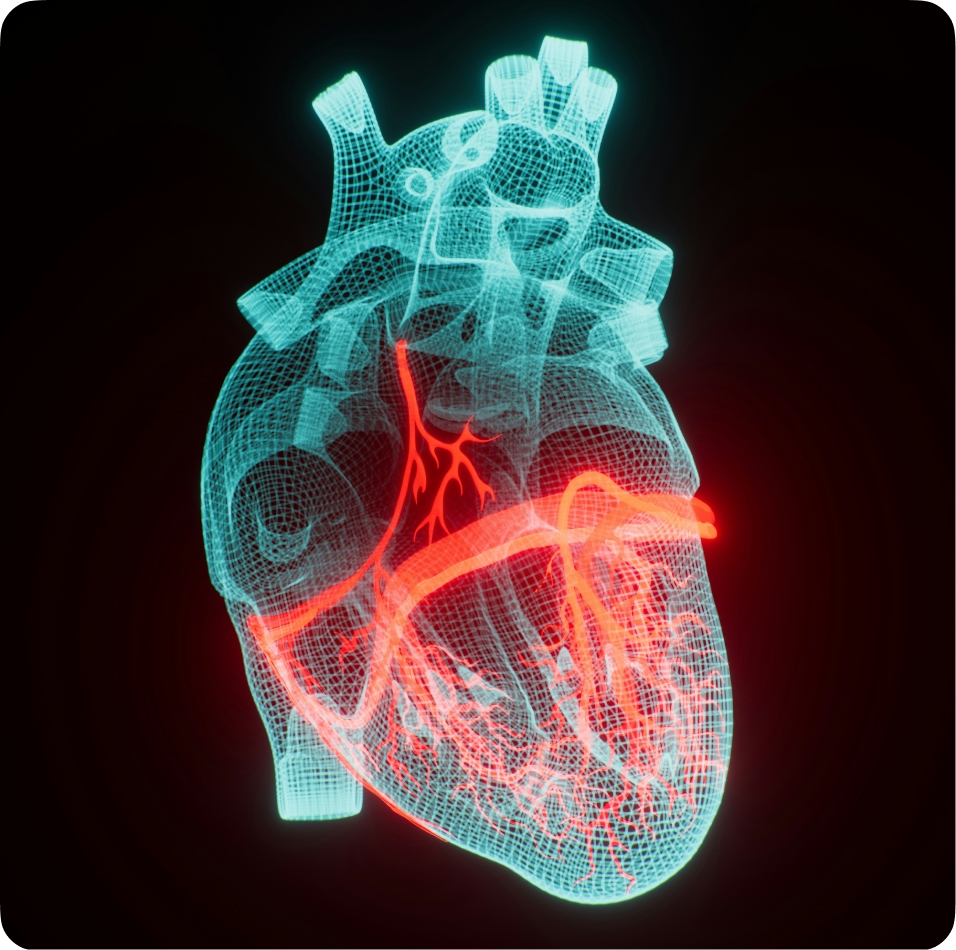
Nerves tell the heart when to beat. When those nerves are inflamed, the timing turns chaotic and the atria quiver instead of pumping. Each episode adds more inflammation and scarring, raising the risk of stroke and CHF.

AFib isn't really a heart problem. It's a nerve problem that appears in the heart.

Where Kaorta® fits

Standard care works downstream: slowing the rate, steadying the rhythm, thinning the blood, scarring the tissue. Kaorta® works upstream. A single IV infusion of PVC (perivascular) cells supports the body's effort to repair the nerves so the signal can steady on its own.

Age Of Diagnosis Is Critical

The earlier AFib starts, the more it takes. Patients diagnosed before age 50 can lose 9 to 11 years of life, more than any other age group, because they live with the cumulative risks for longer.

What those risks look like

AFib drives up to 20% of all strokes, since pooled blood in the quivering atria forms clots that can reach the brain. It also leads to heart failure, palpitations, fatigue, dizziness, and chest pain. Each episode adds inflammation and scarring, making the next one more likely.

Compare Your Options

Kaorta® Treatment
Surgical Ablation
Rate-Control Meds
Rhythm-Control Meds
Anticoagulants
Catheter Ablation
Basic comparison table for Kaorta, medication, and ablation.
Comparison TopicKaorta® TreatmentSurgical AblationRate-Control MedsRhythm-Control MedsAnticoagulantsCatheter Ablation
What Each Option Does
What it's trying to do

What it's trying to do

Helps your body calm the inflammation that's disrupting the heartbeat signal

Root Cause Focus

What it's trying to do

A heart surgery option for hard cases, or a procedure that disconnects the heart's wiring and replaces it with a pacemaker

What it's trying to do

Slows your heart so a fast or irregular rhythm feels less intense

What it's trying to do

Tries to keep your heart in a steady rhythm while you're taking it

What it's trying to do

Thins your blood so clots don't form during AFib and cause a stroke

What it's trying to do

A doctor uses heat or cold inside your heart to scar the tissue causing the bad rhythm

What it looks like

What it looks like

A one-time IV (intravenous) infusion. You sit in a clinic chair, the bag drips in, you go home the same day.

Single Infusion

What it looks like

Open or keyhole heart surgery, or a smaller procedure plus a permanent pacemaker put under your skin

Heart Surgery

What it looks like

A daily pill. Beta blockers or calcium channel blockers are the usual choices.

What it looks like

A daily pill. Some need a short hospital stay to start safely so the doctor can watch your heart.

Some Need Hospital Start

What it looks like

A daily pill that thins your blood. Usually taken for life once you start.

What it looks like

A hospital procedure. You're put to sleep, and a thin tube is threaded into your heart.

Anesthesia
What to Watch Out For
The main catch

The main catch

You still need a clinical review and scheduling. It doesn't replace your regular cardiology check-ins.

The main catch

Reserved for hard cases. The pacemaker route means depending on it for life.

Last-Line Option

The main catch

It doesn't actually stop AFib or lower stroke risk. Your heart is still in AFib, just slower.

Slows, Doesn't Stop

The main catch

It often stops working over time. Doses or drugs may need to change.

Wears Off

The main catch

It doesn't stop AFib or change your rhythm. Bleeding risk lasts as long as you take it.

Stroke Only

The main catch

AFib often comes back. Many people end up needing a second procedure.

Often Comes Back
Educational Articles

Understand AFIB, solutions and more

Considering Kaorta® for Yourself or a Family Member?

Set up a consult and review the treatment schedule, travel plans and next steps.

Loading Contact Form...